Print on Demand Fashion Patterns
If you’ve ever stared at a blank design canvas wondering how to stand out in a crowded print-on-demand (POD) marketplace—especially in fashion—you’re not alone. Trends shift fast, competition is fierce, and customers scroll past anything that feels generic or dated. That’s where Print on Demand Fashion Patterns step in—not as filler graphics, but as strategic, ready-to-deploy visual assets built for real-world selling.
What Exactly Are Print on Demand Fashion Patterns?
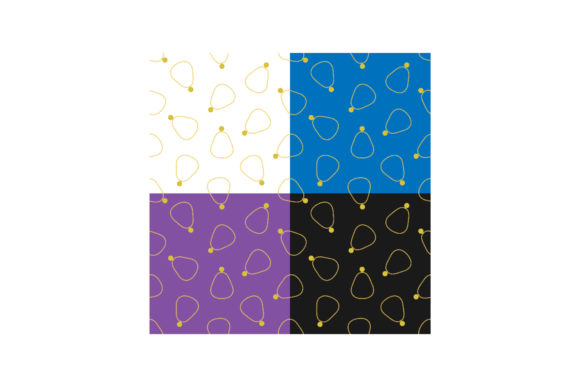
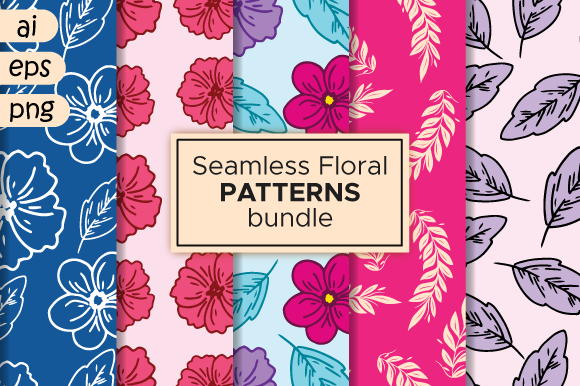
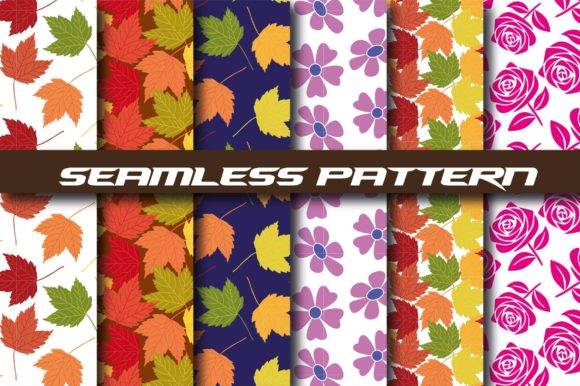
Think of them as the invisible engine behind standout apparel: seamless, scalable, royalty-free pattern files optimized for POD platforms like Printful, Gooten, Redbubble, or your own Shopify store with sublimation integration. They’re not just “pretty backgrounds.” These are precision-crafted repeats—designed to tile flawlessly across fabric, without visible seams or awkward breaks—so your leggings, tees, baby onesies, or tote bags look professionally printed, even at full garment scale.
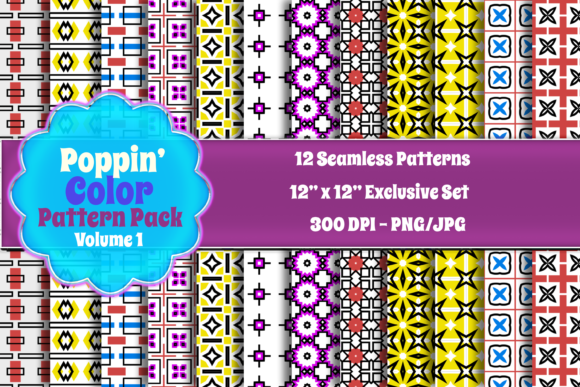
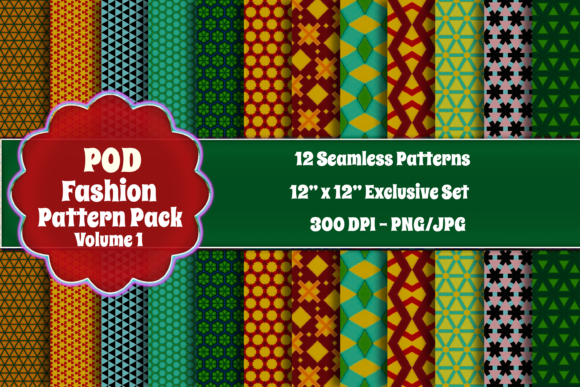
This particular collection—POD Fashion Seamless Pattern Collection Volume One—delivers 12 bold geometric patterns in vivid, contemporary color palettes. Each one comes in both JPG and PNG formats (3600 × 3600 pixels), giving you flexibility whether you need transparency for layered mockups or high-fidelity JPEGs for quick uploads.
Where These Patterns Actually Shine (Beyond the Obvious)
Yes, they work beautifully on t-shirts—but their real value emerges in less obvious, higher-margin niches:
- Baby & Toddler Wear: Bright, balanced geometry reads clearly at small scales—perfect for organic cotton rompers, swaddle blankets, or bibs. Parents gravitate toward designs that feel modern *and* soothing; these patterns deliver both without leaning into clichés like animals or rainbows.
- Youth & Teen Activewear: Think leggings, sports bras, and oversized hoodies. The sharp angles and saturated hues hold up under movement and stretch, while the symmetry gives a subtle sense of cohesion—even when the pattern covers an entire leg or back panel.
- Home & Lifestyle Sublimation: These aren’t limited to clothing. Use them on ceramic mugs, phone cases, throw pillows, or even wall art. One designer told us she licensed three patterns from this pack to create a limited-run capsule collection of yoga mats and matching eye masks—sold exclusively through her Instagram shop.
- Virtual Product Testing: If you're validating a new niche (e.g., “gender-neutral toddler swimwear”), drop one of these patterns onto a mockup generator, run a $5/day Facebook ad test, and gauge engagement *before* ordering physical samples. The speed and consistency of seamless files cut weeks off your iteration cycle.
Who Benefits—and How They Use Them Differently
A freelance surface pattern designer might license the pack to quickly build a client portfolio—using the files as base layers, then adding custom flourishes (hand-drawn accents, typography overlays, or brand-specific color swaps). No reinventing the wheel—just elevating what’s already strong.
An Etsy seller launching a new line of reversible bucket hats? She uses the PNGs with transparent backgrounds to overlay patterns onto 3D hat mockups—then A/B tests two versions side-by-side in her listings. One pattern gets 3x more saves because its rhythm reads better at thumbnail size.
A small-batch sublimation printer serving local boutiques? He imports the JPGs directly into his RIP software, adjusts DPI for polyester fabric, and prints on demand—no minimums, no overstock. The clean vector-like clarity means no pixelation, even on large-format items like scarves or table runners.
Practical Things to Keep in Mind Before You Start
Not all seamless patterns behave the same way on fabric. Here’s what matters most in real use:
- Tile Behavior Matters More Than Resolution: A 3600 × 3600 file sounds impressive—until you realize it tiles poorly. These patterns were tested across multiple repeat types (brick, half-drop, mirror) and validated on actual garment mockups. You won’t get “ghost lines” or misaligned corners mid-sleeve.
- Sublimation Isn’t Magic—Color Shifts Happen: That electric cyan in your PNG may soften slightly on polyester. Always soft-proof using your printer’s ICC profile first. These patterns were built with CMYK-friendly saturation in mind—not just RGB pop.
- Royalty-Free ≠ Unlimited Commercial Use: Yes, you can sell products made with these patterns—but you can’t resell the files themselves, claim copyright over the original design, or use them as part of a competing pattern pack. It’s standard licensing, but worth scanning before you scale.
- They’re Designed for Speed, Not Just Style: The color schemes are intentionally cohesive across the 12 patterns—so if you launch a “Summer Geometry” collection, all 12 pieces feel like part of the same story, even if customers buy just one item.
Why “Bold Geometric” Works Right Now (And Why It’s Sustainable)
Geometric patterns aren’t trending—they’re enduring. Unlike character-based or seasonal motifs, strong geometry transcends age, gender, and cultural context. A hexagon grid or asymmetric chevron reads equally well on a teen’s crop top and a 45-year-old’s linen shirt. And because these patterns emphasize balance and rhythm—not literal imagery—they avoid dating quickly or triggering unintended associations.
The lucid colors—think terracotta paired with lime, indigo with coral, charcoal with lemon—were chosen for versatility across fabric bases. They pop on light cotton, recede thoughtfully on dark denim, and retain contrast on textured knits. That adaptability means fewer design iterations per product type.
Getting Started Without Overcomplicating It
You don’t need Photoshop mastery to use these. Drag a PNG into Canva, place it over a mockup, adjust opacity or blend mode—and you’ve got a listing-ready image in under two minutes. Prefer Illustrator? Open the JPG, use Object > Pattern > Make, and tweak spacing or tile type if needed. The files are sized and structured to minimize friction, not add steps.
One note: if you’re building a long-term brand, don’t treat these as disposable. Use them as springboards. Rotate one pattern into your best-selling tee style every quarter. Layer a subtle version behind product photography text. Repurpose a detail—a single motif from the larger repeat—as a logo lockup or social media icon. Their strength lies in being both complete *and* flexible.
At its core, Print on Demand Fashion Patterns isn’t about outsourcing creativity—it’s about removing predictable bottlenecks so your ideas land faster, look sharper, and connect more authentically with people who care about thoughtful design, not just what’s trending today.